
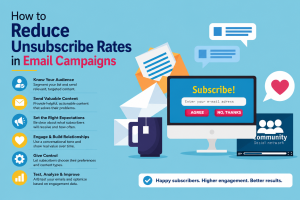
How can businesses lower their email unsubscribe rates? Businesses reduce email unsubscribe rates by abandoning generic, high-volume broadcasting in favor of hyper-segmented, value-driven content delivery. Because modern subscribers protect their digital boundaries fiercely, brands must offer customized frequency options and highly targeted messaging. Consequently, this precise approach respects the subscriber's inbox space, builds long-term brand loyalty, and stabilizes overall campaign engagement metrics.
Understanding the Psychology Behind the Unsubscribe Button
For many years, marketers viewed email list building as a simple numbers game. However, in the modern digital landscape, list quality matters far more than raw size. Because consumer inboxes face constant daily floods of promotional clutter, users click the unsubscribe button without hesitation.
Fortunately, you can prevent this rapid loss of subscribers by identifying the core triggers of audience fatigue. Usually, individuals opt out because a brand sends too many messages or delivers irrelevant offers. Therefore, you must alter your outreach strategy to focus entirely on user preferences and immediate consumer value.
Why Relevant Audience Segmentation Prevents Unsubscribe Rates
Static, one-size-fits-all email campaigns routinely experience high opt-out rates because they ignore individual consumer differences. Conversely, highly segmented marketing funnels keep engagement high and opt-out rates exceptionally low.
When you divide your central database into precise sub-lists, you ensure that every recipient receives content tailored to their explicit history. Consequently, your messages feel highly personal, timely, and genuinely helpful. Furthermore, this targeted approach prevents list burnout because subscribers only receive updates that align with their self-selected profile data.
- Database segmentation categorizes users by their actual purchase history and browsing behavior.
- Tailored subject lines match the specific needs of distinct customer archetypes perfectly.
- Dynamic text blocks adjust content variations automatically based on geographic location.
5 Essential Steps to Minimize List Attrition
To protect your email list from mass attrition, you must implement a structured, subscriber-first framework. Here is the exact roadmap to lower your opt-out rates immediately:
- Launch a Strategic Preference Center: First, give your audience total control over their communication experience. Consequently, instead of completely unsubscribing, users can choose to receive fewer messages or select specific topic categories.
- Optimize the Initial Welcome Sequence: Next, establish clear expectations from the very first interaction. By doing this, you inform new signups exactly how often you intend to write and what valuable insights you will share.
- Clean the Inactive Database Regularly: Subsequently, filter out subscribers who have not opened an email in several months. Paradoxically, removing unengaged users protects your sender reputation and prevents forced spam complaints.
- Incorporate Clear and Clear Formatting: Furthermore, utilize highly scannable layouts, bold headings, and short text blocks. This clean presentation ensures that readers can digest your primary message instantly on any mobile device.
- Conduct Continuous Feedback Surveys: Finally, display a quick, one-question poll on your opt-out confirmation page. This configuration allows you to gather valuable data on why individuals leave, which helps you refine future campaigns.
Elevating Content Standards to Maintain Long-Term Interest
In addition to technical adjustments, you must continually audit the actual substance of your newsletters. Because audiences lose interest quickly, every sent message must deliver undeniable utility.
If your campaigns consist entirely of aggressive sales pitches, your unsubscribe numbers will spike inevitably. Therefore, you should balance your promotional updates with educational articles, industry insights, or exclusive rewards. By offering genuine value before asking for a sale, you solidify your position as a trusted advisor rather than an annoying digital solicitor.
Conclusion: Securing Sustainable Growth By Reducing Unsubscribe Rates
In summary, reducing your email unsubscribe rates requires a shift from aggressive broadcasting to thoughtful, personalized orchestration. Because subscribers demand relevance, your content, timing, and frequency must align perfectly with their lifestyle. Fortunately, by building robust preference options and respecting user boundaries, you can maintain a clean, high-conversion database. Implement these modern subscriber-retention techniques today to stabilize your email metrics and drive predictable, long-term business growth.
Frequently Asked Questions (FAQ)
What is a healthy email unsubscribe rate for modern campaigns?
Most industry benchmarks indicate that a healthy unsubscribe rate stays safely below 0.5%. If your campaign metrics consistently climb above 1%, you must immediately audit your frequency and content relevance.
How does a preference center prevent total opt-outs?
A preference center allows subscribers to down-regulate their communication frequency instead of quitting completely. For instance, a user might choose to receive your weekly summary rather than your daily product updates.
Should I make the unsubscribe link difficult to find?
No, absolutely not. Hiding the unsubscribe link frustrates users and forces them to hit the "Report Spam" button instead. Consequently, hiding the option destroys your sender score and hurts your long-term deliverability.
