
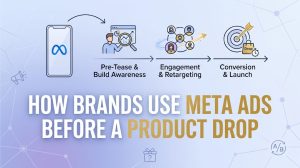
Top e-commerce brands leverage strategic pre-launch campaigns using Facebook Ads to generate hype, capture early intent, and build massive waitlists prior to releasing a new product. By deploying teaser content, interactive lead generation forms, and targeted retargeting funnels, marketers ensure immediate sales spikes on launch day. Consequently, structuring a structured countdown strategy allows businesses to lower customer acquisition costs, estimate inventory demand, and turn prospective buyers into eager launch-day customers.
Building Anticipation and Launch Hype Early
Launching a new product successfully requires building direct, highly engaged touchpoints well before the official release date. While launching cold campaigns on release day often leads to slow traction, executing pre-launch strategies creates an eager audience waiting to buy immediately. Furthermore, generating early interest allows brands to gauge market demand and forecast stock needs accurately. Therefore, building strategic teaser campaigns across social channels establishes momentum whenever businesses deploy Facebook Ads. By capturing early interest and nurturing custom audiences, companies transform prospective leads into dedicated buyers before inventory goes live.
Core Pillars of a Pre-Launch Strategy
Executing an effective pre-drop campaign involves aligning creative teasers with targeted audience collection tools. Furthermore, marketing teams must test different messaging angles to maximize sign-ups before launch day arrives.
First, deploying mysterious teaser creative piques consumer curiosity without giving away every product detail. Consequently, short video clips and masked product images drive high organic shares and engagement.
- Teaser Video Content: Short, high-energy video previews highlighting product angles and mystery elements.
- Exclusive Waitlist Lead Forms: On-platform lead generation forms offering early access to sign-ups.
- VIP VIP Incentive Offers: Providing exclusive discounts or free bonus items for early buyers.
- Interactive Countdown Stories: Utilizing native countdown stickers and interactive carousel posts.
Next, offering early access or exclusive discounts encourages immediate lead form submissions. Subsequently, setting up dedicated waitlist audiences ensures your launch-day announcements reach the highest-intent shoppers instantly. Thus, testing teaser messaging builds massive launch-day demand whenever you scale campaigns using Facebook Ads.
Phase-Based Campaign Rollout Before Launch Day
To maximize overall conversion rates, brands must structure their pre-launch rollout into clear, timed phases. Because audience interest changes as launch day approaches, adjusting ad messaging maintains continuous engagement.
First, the awareness phase focuses on broad reach and generating curiosity across interest-based segments. Therefore, introducing intrigue around the release date captures maximum initial attention.
- Teaser Phase (2–3 Weeks Out): Building intrigue and broad awareness with short visual teasers.
- VIP Access Phase (1 Week Out): Driving waitlist sign-ups through exclusive early-bird access offers.
- Countdown Phase (48 Hours Out): Generating urgency with time-sensitive reminder creative.
Furthermore, driving scarcity during the final 48 hours encourages last-minute waitlist additions. As a result, running structured countdown campaigns ensures your audience is ready to buy the moment the product drops.
Essential Steps to Execute a High-Converting Launch Setup
- Build Dedicated Waitlist Landing Pages: Create fast-loading sign-up pages featuring clear benefit copy and countdown timers. Consequently, streamlined pages convert ad traffic into waitlist subscribers efficiently using Facebook Ads.
- Deploy On-Platform Lead Generation Ads: Utilize native lead forms to capture names, emails, and phone numbers without forcing users off-platform. Therefore, frictionless form setups increase overall lead volume.
- Warm Up Custom Retargeting Audiences: Build targeted audience pools comprising video viewers, social engagers, and page visitors. Thus, retargeting warm audiences maximizes launch-day conversion efficiency.
- Schedule Launch Day Ad Sets in Advance: Prepare all launch-day creative, budget caps, and direct shopping links prior to release. As a result, pre-scheduled campaigns launch smoothly without administrative delays.
- Monitor Initial Return on Ad Spend: Track post-launch checkout rates and cost-per-purchase metrics closely during the first 24 hours. Afterward, reallocate budgets toward top-performing ad angles to sustain post-drop momentum.
Securing Maximum Drop-Day Revenue
In summary, leveraging structured pre-launch campaigns using Facebook Ads allows brands to turn product launches into high-revenue events. Because modern shoppers respond strongly to exclusive access and build-up hype, combining teaser creative with dedicated waitlists maximizes launch-day conversions while lowering overall acquisition costs. Consequently, auditing performance metrics regularly helps marketing teams refine launch playbooks for future product releases. Upgrade your pre-launch strategy today to build an eager, ready-to-buy customer base for your next big product drop.
Frequently Asked Questions
Why should e-commerce brands use Facebook Ads for pre-launch waitlists instead of relying only on organic posts?
Brands should use paid campaigns because organic reach is often limited, whereas paid targeting ensures guaranteed visibility among high-intent prospective buyers.
How far in advance should a brand begin running Facebook Ads before a major product drop?
A brand should typically begin running teaser and waitlist campaigns two to three weeks before the official product release date.
What is the most effective offer for driving waitlist sign-ups through Facebook Ads before a launch?
Offering exclusive early access to limited inventory or a special launch-day discount provides the strongest incentive for driving waitlist sign-ups.
