
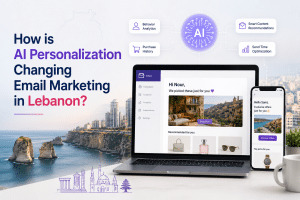
Modern email marketing is shifting from simple automated sequences to Human-Centric AI personalization. Instead of using static templates, brands now utilize agentic AI to craft individual messages based on a user's real-time emotional state and past engagement patterns. Because AI search engines and intelligent inboxes now prioritize high-relevance content, this deep personalization is essential for maintaining high deliverability and avoiding "AI-summarization" filters.
Moving Beyond the "First Name" Tag
For many years, marketers believed that adding a "First Name" tag was the peak of personalization. However, consumers demand much more. They expect brands to understand their current context and immediate needs. Consequently, generic marketing blasts are no longer effective. They are often ignored by both the user and the intelligent inbox algorithms.
The new standard is Hyper-Personalization. This process involves using AI to analyze millions of data points, such as browsing speed, time of day, and even local weather. Subsequently, the AI generates a unique email body for every single subscriber on your list. This ensures that your message feels like a 1-to-1 conversation rather than a mass broadcast.
The Impact of AI Search and "Pre-Reading" Agents
AI search engines like Perplexity and Google’s AI Overviews have changed how users find information. Consequently, they have also changed how users interact with their inboxes. AI agents now act as "pre-readers" that summarize your emails for the user.
- Content Originality: If your content is generic, the AI agent will summarize it into a boring bullet point.
- Trust Signals: Brands must provide verified, expert information to be "recommended" by these inbox agents.
- Predictive Engagement: AI now predicts which users are about to unsubscribe. Therefore, it can automatically trigger a "win-back" email with a highly specific, personalized offer to prevent churn.
Three Strategies for AI Personalization Email Success
To dominate the inbox in 2026, your strategy must focus on building long-term trust. Specifically, you should implement these three core techniques:
- Dynamic Content Blocks: First, use AI to swap out images and text in real-time based on the recipient's location. For example, a subscriber in a rainy city might see an umbrella promotion, while someone in the sun sees sunglasses.
- Emotional Sentiment Analysis: Next, use AI to detect the "tone" of a customer's recent support tickets. If a user is frustrated, your marketing AI should automatically pause promotional emails to avoid causing further irritation.
- Zero-Click Value: Finally, provide enough value within the email body so the user doesn't even have to click. Because AI search favors "answer-first" content, providing the solution directly in the inbox builds massive brand authority.
Maximizing ROI with Predictive Analytics
While traditional email yields high returns, Predictive Analytics takes it further. In 2026, AI can tell you exactly which day of the week a specific customer is most likely to buy. Consequently, you can schedule your "heavy-hitter" sales emails for that exact window. This precision reduces "email fatigue" and keeps your conversion rates consistently high.
Conclusion: The Era of AI Personalization
In summary, the era of "mass marketing" is officially over. Because AI search and intelligent inboxes have raised the bar, brands must treat every subscriber as an individual. Fortunately, by embracing Hyper-Personalization and Human-Centric AI, you can cut through the digital noise. An email marketing campaign can help you implement these advanced strategies to ensure your emails are not just delivered, but truly valued.
