
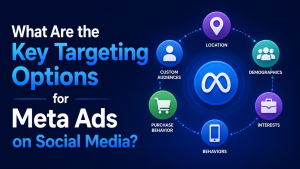
How can growing enterprises use modern, algorithmic audience tools to locate high-intent shoppers across social channels? Building highly profitable social media campaigns requires utilizing modern platform segments, which are divided into strict demographic controls, flexible behavioral suggestions, and first-party custom tracking lists. Because manual interest-stacking strategies have been heavily restricted, modern marketers must allow automated AI systems to analyze behavioral patterns and expand campaign reach dynamically. Therefore, choosing the correct targeting for Meta ads ensures that your advertising capital is directed exclusively toward users who are highly likely to purchase your products, click your links, or submit lead inquiries.
The New Era of Social Audience Segmentation
In previous advertising eras, digital media buyers spent hours stacking complex interest tags inside their campaign dashboards. However, in the current digital landscape of 2026, user privacy updates and advanced machine learning have completely transformed how platforms deliver ads. Because thousands of competitive brands bid for consumer attention simultaneously, manual micro-targeting approaches often lead to high costs and restricted distribution.
Fortunately, modern campaign systems use flexible suggestions to pair your visual creatives with the most relevant consumers. This algorithmic shift means that your business can focus more on creating exceptional content while the platform manages delivery logistics. Therefore, understanding the core options available in your dashboard is critical to maintaining a healthy return on investment.
Core Demographics and Location Controls
When you set up a new campaign, the first layer of control involves establishing your absolute boundaries. If you sell physical goods that only ship domestically, you must restrict your delivery to specific geographic boundaries.
Consequently, setting up your core demographics acts as a strict guardrail for the platform's delivery engine. These hard limits include geographic radii, minimum age filters, and language preferences. Therefore, applying these basic controls ensures you do not waste resources showing ads to people outside your service zones.
- Geographic Boundaries: You can target consumers by country, state, city, or precise zip codes to capture regional buyers.
- Age and Gender Settings: These filters ensure your ads only reach populations that match your products' legal or natural demographic profiles.
- Language Selection: This setting restricts delivery to users who speak the specific languages used in your ad creatives.
Leveraging Audience Suggestions and Detailed Interests
In addition to hard demographic controls, you can provide the platform with specific thematic guidance. Previously, selecting an interest meant the platform would strictly limit your ads to those specific users.
However, modern systems treat your interest selections as audience suggestions rather than rigid borders. Consequently, choosing strategic targeting for Meta ads allows the algorithm to start with your suggestions but expand to other users if it finds better conversion paths. Thus, utilizing these suggestions helps jumpstart the learning process for your active ad sets.
- Interest Suggestions: These tags include hobbies, favorite media, and cultural preferences that align with your buyer profiles.
- Behavioral Indicators: This option targets users based on physical activities, such as frequent travel or mobile device usage.
- Life Stage Events: You can connect with consumers experiencing major milestones, such as being newly engaged or moving to a new home.
First-Party Data and Lookalike Connections
Beyond utilizing general interest directories, your business can target people who have already interacted with your brand. Because warm prospects are significantly more likely to purchase, setting up custom retargeting lists is highly profitable.
Therefore, integrating server-side conversion tools allows you to target past website visitors, email subscribers, and social page engagers. Furthermore, you can instruct the system to analyze these high-value lists to find millions of similar users who share matching consumer habits. Consequently, utilizing custom targeting for Meta ads helps you scale your revenue while maintaining a highly efficient cost-per-acquisition.
- Website Custom Audiences: These lists track users who visited specific product pages or added items to a digital cart.
- Customer Contact Lists: You can upload secure email directories to directly re-engage your existing brand buyers.
- Lookalike Audiences: The platform analyzes your best customers and searches for new, highly similar prospects across social networks.
5 Crucial Steps to Structure Your Targeting Strategy
To build a highly effective, modern audience model that avoids common technical pitfalls, your marketing team should follow a structured setup protocol. Here is the exact sequence to configure your campaign dashboard for maximum efficiency:
- Set Up Your Absolute Delivery Controls first: First, define your hard restrictions by entering your target locations, languages, and minimum age limits. This step ensures your ads never serve to unqualified regions.
- Deploy Advantage+ Audience Settings next: Next, activate the platform's AI-driven system to handle your core distribution. By doing this, you allow deep learning models to find your buyers based on real-time behavior.
- Provide High-Quality Interest Suggestions subsequently: Subsequently, enter three to five broad interest suggestions that match your core product categories. This step gives the delivery engine a strong starting point for its initial testing phase.
- Incorporate Your First-Party Customer Data furthermore: Furthermore, upload your clean email lists and configure your pixel event data. This connection provides the system with high-value conversion patterns to mirror.
- Exclude Recent Buyers systematically: Finally, apply custom audience exclusions to remove recent purchasers from active prospecting campaigns. Afterward, your system will direct its entire budget toward acquiring brand-new customers.
The Power of AI-Driven Broad Delivery Models
Ultimately, the most significant advancement in modern marketing is the transition toward fully automated audience discovery. Because the platform's AI evaluates thousands of real-time signals, manual segmentation is no longer the primary driver of success.
Therefore, you should embrace broad campaign structures that let your visual creatives do the heavy lifting. When you use open targeting for Meta ads, your ad creative acts as the primary targeting mechanism by naturally appealing to the right buyers. This organic alignment allows the system to scale your campaigns seamlessly while lowering your manual management time.
Conclusion: Maximizing Growth with Algorithmic Audiences
In summary, executing a highly successful social media strategy requires shifting away from outdated micro-targeting habits to embrace modern automation. Because platform algorithms are incredibly effective at identifying consumer intent, your primary task is providing them with clean first-party data and strong creative hooks. Fortunately, by combining strict geographical controls with broad behavioral suggestions and custom customer lists, you can build a highly resilient customer acquisition engine. Implement these advanced targeting structures today to minimize budget waste, optimize your campaigns, and grow your business safely.
Frequently Asked Questions (FAQ)
What is the main difference between audience controls and audience suggestions?
Audience controls are strict boundaries the platform must follow, while suggestions are flexible starting points the algorithm can expand past to improve campaign performance.
Why did the social platform remove detailed targeting exclusions for interest categories?
The platform removed detailed interest exclusions to comply with global privacy laws, prevent consumer discrimination, and encourage broader AI-driven optimization.
How long can a website visitor remain in your custom retargeting pool?
A website visitor can remain in your custom pixel audience for a maximum duration of 180 days before being automatically removed.
