
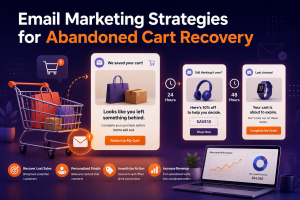
How can e-commerce storefronts use email marketing strategies to convert lost cart abandoners into paying customers? Recovering lost digital shopping carts requires moving past simple, generic reminder messages. Because shoppers abandon checkouts due to unexpected shipping costs, payment friction, or momentary distractions, building a structured campaign strategy is essential. Consequently, deploying targeted email marketing sequences allows online stores to deliver timely incentives, address buyer hesitations, display dynamic product visuals, and systematically recover lost sales revenue.
Understanding the Checkout Abandonment Challenge
For many years, online retailers viewed shopping cart abandonment as an inevitable cost of doing business. However, in today's competitive e-commerce landscape, leaving lost sales unaddressed severely harms operating profit margins. Because modern consumers compare multiple tabs while shopping online, casual distractions interrupt purchases constantly.
Fortunately, setting up automated follow-up messages helps your business reconnect with active shoppers quickly. This direct recovery system brings distracted buyers straight back to their saved cart items. Therefore, mastering recovery workflows within email marketing is critical for driving sustainable retail revenue.
The Power of Multi-Stage Recovery Sequences
When a customer leaves items behind, sending a single follow-up message rarely achieves maximum recovery potential. Instead, deploying a spaced series of automated messages captures shoppers at different decision-making stages.
For instance, an initial gentle reminder addresses simple online distractions effectively. Subsequently, secondary follow-up messages can offer limited-time discounts or free shipping options to overcome price hesitation. Consequently, structuring multi-touch email marketing campaigns ensures that your storefront re-engages prospective buyers without sounding overly aggressive.
- First Message (1 Hour After Abandonment): First, send a gentle customer service reminder displaying the exact items left behind.
- Second Message (24 Hours After Abandonment): Next, highlight glowing customer reviews and trust badges to build buying confidence.
- Third Message (48 Hours After Abandonment): Furthermore, introduce a small discount code or free shipping offer to incentivize final checkout.
Cart Recovery Sequence Strategy Matrix
| Message Timing | Core Focus Area | Key Content Component | Strategic Outcome |
|---|---|---|---|
| 1 Hour Post-Abandonment | Helpful Reminder | Dynamic item photos, saved cart link, clear customer support contact. | Captures shoppers who experienced minor tech glitches or distractions. |
| 24 Hours Post-Abandonment | Social Proof & Trust | User star ratings, buyer testimonials, clear return policy details. | Resolves product quality doubts and builds overall store credibility. |
| 48 Hours Post-Abandonment | Incentive & Urgency | Limited-time discount code, expiring cart warning, free shipping perk. | Overcomes price sensitivity and drives immediate checkout completion. |
Optimize Your Recovery Workflows
To build a high-converting recovery setup that restores lost sales automatically, your growth team should follow a disciplined implementation process. Here is the step-by-step roadmap to refine your email marketing cart strategies:
- Configure Dynamic Cart Scripting First: First, ensure your campaign software dynamically pulls precise product names, sizes, and images into every message template. Consequently, presenting familiar product visuals triggers immediate memory recall for returning shoppers.
- Write Compelling, Low-Friction Subject Lines Next: Next, craft clear subject line copy that feels personal and helpful rather than sales-heavy. By doing this, your messaging captures immediate attention inside crowded recipient inboxes.
- Optimize Message Layouts for Mobile Screen Navigation Subsequently: Subsequently, design clean, single-column visual templates featuring prominent direct checkout buttons. Therefore, refining mobile accessibility in your email marketing design ensures that shoppers can complete purchases in two simple taps.
- Incorporate Dynamic Social Proof Elements Furthermore: Furthermore, display recent buyer reviews and product ratings directly underneath the abandoned cart items. As a result, hesitant customers feel reassuring validation before entering their payment details.
- Audit Recovery Metrics and A/B Test Offers Systematically: Finally, track key campaign indicators like click-through rates, recovered revenue totals, and total conversions continuously. Afterward, you can adjust your discount levels and message send delays based on real customer data.
Long-Term Value with Email Marketing Strategies
Beyond immediate sales recovery, establishing automated follow-up sequences builds long-term customer trust across every stage of the funnel. Because modern buyers value responsive, helpful merchant communications, personalized follow-ups leave a lasting positive impression.
Therefore, committing to continuous workflow optimization protects your paid ad budget by converting a higher percentage of existing site traffic. When prospects experience smooth, friction-free recovery journeys, customer retention rates rise naturally over time. Fortunately, implementing structured email marketing workflows turns lost shopping carts into a predictable, highly profitable revenue stream.
Conclusion: Maximizing E-Commerce Profits Through Automated Recovery
In summary, automating multi-stage cart recovery campaigns allows online merchants to reclaim substantial lost revenue effortlessly. Because casual online distractions and price hesitations cause frequent checkout drops, proactive communication strategies are vital for success. Fortunately, by leveraging dynamic product tags, writing clear subject copy, optimizing mobile layouts, and testing discount incentives, you can build an efficient recovery engine. Update your automated strategy today to elevate your email marketing, increase your checkout conversions, and scale your storefront profits predictably.
Frequently Asked Questions (FAQ)
What is the ideal time window to send the first abandoned cart message?
The first abandoned cart message should deploy approximately one hour after abandonment to engage the shopper while their purchase intent remains high.
Should an e-commerce store offer a discount code in the very first recovery message?
No, the first message should serve as a simple helpful reminder, reserving discount codes for later follow-up messages to protect profit margins.
How many messages should an abandoned cart recovery sequence contain?
An effective recovery sequence typically contains two to three messages spaced over a forty-eight-hour period to maximize conversions without annoying buyers.
